Batt Insulation vs. Loose Fill: A Homeowner’s Complete Comparison Guide
Home insulation is essential to Minnesota homeowners. With our harsh winters and hot summers, it is important to ensure we can keep our homes comfortable without spending all our money on high utility bills. Fiberglass insulation has been proven to be one of the most effective ways to insulate our homes. Fiberglass insulation can be installed as batts (pre-cut rolls) or as loose-fill (blown-in). Though both forms are effective and affordable, homeowners are looking to loose-fill insulation to provide better coverage, greater efficiency, and a higher R-value. Loose fill insulation can also:
- Fight air, moisture, and mold to provide a healthier home environment.
- Reduce strain on your heating/cooling systems, helping them to last longer and require fewer repairs.
- Protect against pollutants to keep your family healthier and safer.
Batt Insulation: Unpacking the Pre-Cut Rolls
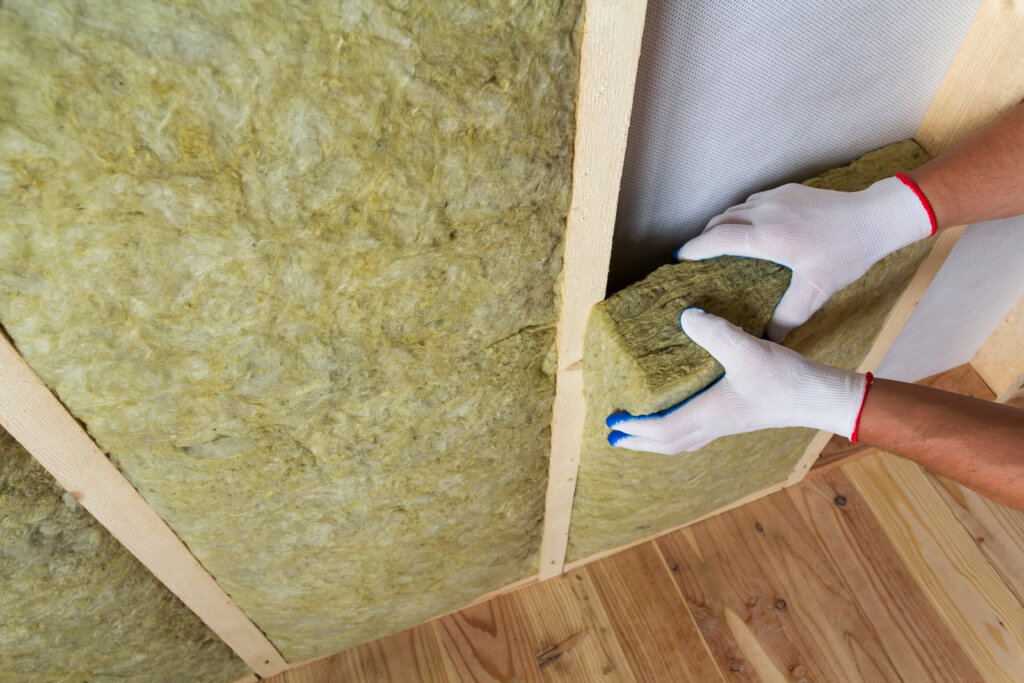
Batt insulation, sometimes called blanket or rolled insulation, is the most commonly used insulation. Batts are available in differing widths to match your wall studs or attic trusses. They can be set into walls between the studs, attics between the trusses, or floors between the joists. They come in different depths to match the corresponding stud depths (2×4 vs 2×6). The R-value is defined by the depth of the rolls. The rolls can be hand-cut to length or to fit in small spaces. Installation of batt insulation is fairly easy because most are the correct width, are resistant to compression, and are lightweight and durable. However, because they do not provide perfect coverage in unusual shapes or around pipes, they lose some efficiency.
Loose Fill (Blown-In) Insulation: Conforming to Every Nook
Loose-fill fiberglass insulation is installed using a special machine that blows the insulation into place. It offers seamless coverage and works well in areas with limited headroom, around pipes and ducts, and in other obstructions. The application is better suited to attics or to areas with limited headroom or access. The R-value is better than with batt insulation because of its complete coverage, leaving no exposed areas. It also limits mold and contaminant growth.
Comparison of Batt/Loose Insulation
Batt:
- Pre-cut rolls or panels to fit into walls, floors, or trusses. It can easily be cut to length
- Coverage around irregular-shaped areas or pipes is pieced and allows for some loss of coverage
- Because of the loss of coverage, the R-value is minimized, leaving areas exposed to moisture and air.
- Less expensive to install than loose fiberglass insulation.
- Tends to settle over time, reducing efficiency.
- R-value per inch typically ranges from R-3.0 to R-3.7
Loose:
- Blown into place with a special machine. Installation is fast and thorough.
- Loose insulation can easily cover pipes and ducts without loss of coverage
- The R-value is higher, providing better energy efficiency and less strain on your HVAC system.
- More expensive to install, but more energy efficient due to added coverage
- Loose, blown-in insulation is engineered not to settle over time. It can maintain its insulating properties for decades.
- R-value per inch typically ranges from R-3.2 to R-3.8
Investing in Your Home’s Future
Properly and effectively insulating your home is an investment in its future. By providing the best insulation, installed by professionals, your home can withstand changes in Minnesota’s temperature without putting additional strain on your HVAC system, all while keeping your family comfortable and your utility bill lower. Contact us today to learn more about our services.
Image credit: // Shutterstock // Bilanol