Winter Storm Roof Damage in the Twin Cities: What Insurance Covers (and What It Doesn’t)
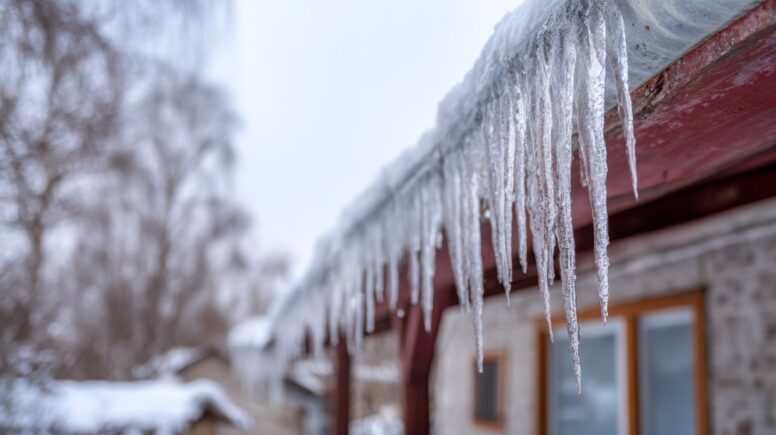
Winter in the Twin Cities isn’t just hard on driveways and sidewalks, it’s tough on your roof. High winds, heavy snow, ice buildup, and repeated freeze–thaw cycles can all cause damage that isn’t always obvious from the ground.
If your home has been through a major winter storm, you may be wondering: Does my insurance cover this? The answer depends on the type of damage and how quickly you act.
Here’s what Twin Cities homeowners should know.
The Most Common Types of Winter Roof Damage in the Minneapolis and St. Paul Metro Area
Wind Damage
Strong winter winds can lift, crack, or completely remove shingles. Even minor lifting can break the seal between shingles and allow water to seep underneath once snow begins to melt.
Wind damage is typically covered by homeowners insurance if it results from a sudden storm event. However, if shingles were already deteriorating due to age, coverage may be limited.If you suspect you need storm damage roof repair, acting quickly can help protect both your home and your insurance claim.
Ice Dam Damage
Ice dams are common in Minneapolis and St. Paul homes. They form when heat escapes through the attic, melting snow on the roof. That melted water refreezes at the roof’s edge, creating a barrier that traps water behind it.
When water backs up under shingles, it can leak into insulation, ceilings, and walls.
Insurance coverage for ice dam damage varies. Many policies cover interior water damage caused by ice dams, but may not cover the cost of removing the ice dam itself, especially if poor insulation or ventilation contributed to the problem.
Heavy Snow and Structural Stress
Minneapolis and St. Paul roofs are built for snow, but extreme accumulation can still cause stress. Signs of snow-related damage include:
- Sagging rooflines
- Gutter separation
- Interior cracks
- Water stains after melting
Structural issues caused by sudden heavy snowfall are often covered. Damage caused by long-term neglect is typically not.
What Homeowners Insurance Typically Covers
Every policy is different, but most Minneapolis homeowners policies cover sudden and accidental storm damage.
Generally covered:
- Wind-damaged shingles
- Tree impact damage
- Storm-driven water intrusion
- Sudden structural damage from heavy snow
Often not covered:
- Wear and tear from aging shingles
- Gradual leaks
- Maintenance issues
- Damage on roofs beyond their service life
Insurance companies often distinguish between “storm damage” and “deferred maintenance.” That’s why documentation matters.
What You’ll Need for a Roof Insurance Claim
If you suspect winter storm damage, documentation is critical.
Helpful items include:
- Date of the storm
- Photos of missing or lifted shingles
- Interior water stains
- Notes about when the issue first appeared
- A professional roof inspection report
A thorough roof assessment can identify damage that isn’t visible from the ground, including lifted shingles, cracked sealant, and compromised flashing.
Why Early Roof Inspections Matter in the Twin Cities
In Minneapolis and St. Paul, February and March are when small problems can become major repairs.
Here’s why:
- Freeze–thaw cycles expand minor cracks
- Melting snow exposes vulnerable areas
- Spring rain compounds existing damage
- Insurance carriers may question delayed claims
Waiting until visible leaks appear can increase repair costs and complicate insurance approval.
How Sela Roofing Works With Insurance Adjusters
Navigating a roof insurance claim can feel overwhelming. At Sela Roofing & Remodeling, we help Twin Cities homeowners through the process from start to finish.
Our approach includes:
- Detailed storm damage estimates
- Photo documentation
- Clear written repair scopes
- On-site meetings with insurance adjusters when needed
- Transparent communication throughout the project
We understand how winter storms affect Minneapolis and St. Paul roofs, and how insurance carriers evaluate claims. Our goal is to make the process straightforward and stress-free.
When Should You Schedule a Storm Damage Assessment?
Consider an assessment if:
- Your home experienced wind gusts over 40 mph
- You noticed ice dam buildup this winter
- Neighbors are filing storm damage claims
- You see ceiling stains or missing shingles
- Your roof is over 15 years old
Schedule a Free Storm Damage Estimate in the Twin Cities
If your home has been through heavy wind, snow, or ice this winter, don’t wait for spring thaw to uncover hidden damage.
A professional inspection can help you understand:
- Whether damage is present
- Whether an insurance claim is appropriate
- What your repair options are
Contact Sela Roofing & Remodeling today to schedule your free storm damage estimate in the Minneapolis and St. Paul metro area and address potential issues before they turn into costly repairs.
*Because insurance policies vary, homeowners should review their specific coverage or consult their insurance provider for details.